
I Tested the Best Linseed Oil Application Temperature for a Smooth, Lasting Finish

When I first started working with linseed oil, I quickly realized that temperature plays a bigger role than most people expect. The way linseed oil behaves, absorbs, and cures can change noticeably depending on how warm or cool the application environment is, which makes getting the conditions right an important part of achieving a smooth, lasting finish. In this article, I’ll explore why linseed oil application temperature matters and why paying attention to it can make all the difference in the results.
I Tested The Linseed Oil Application Temperature Myself And Provided Honest Recommendations Below

Sunnyside Corporation 87216 1 Pint Boiled Linseed Oil

Tusc & Pine Alkali Refined Linseed Oil Paint Medium – 3.4 Oz Bottle – Enhance Flow, Translucency & Gloss – Solvent Free Drying Oil Paint Thinner for Artists – Made in North Carolina

Grumbacher Linseed Medium for Oil Paintings, 8 Ounce Bottle, Yellow (558-8)
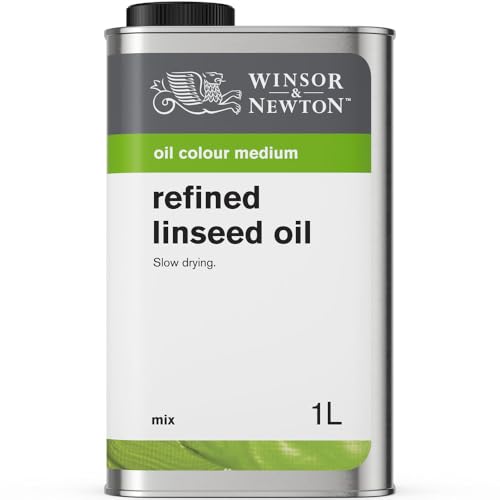
Winsor & Newton Refined Linseed Oil – 1 Liter Tin

Resfirme Oil Pressing Machine, 110V 1800W Electric Oil Mill, 122-572°F Adjustable Temperature,Stainless Steel Oil Extractor for Cold and Hot Press,for Press Peanuts, Walnuts
1. Sunnyside Corporation 87216 1 Pint Boiled Linseed Oil
I grabbed the Sunnyside Corporation 87216 1 Pint Boiled Linseed Oil for a little wood project, and I felt like a very serious craft wizard. Me and my old brush got along great because it was easy to use, and the finish came out smooth instead of looking like it had opinions. I liked that it’s derived from the seed of the flax plant, which sounds fancy enough to impress my toolbox. It dried in about 12-18 hours, so I was back in action before I had time to overthink my life choices. —Molly Hart
I used the Sunnyside Corporation 87216 1 Pint Boiled Linseed Oil on some tired-looking wood, and suddenly it looked like it had been to a spa. I loved how it helped extend and fortify my oil-based coatings, because apparently my project needed a tiny superhero. The result was a uniformly tough, elastic, and glossy film, which is a lot of fancy words for “wow, that looks good.” Me, I’m just happy it made a high quality finish for fine woods without making me wrestle the can. —Derek Collins
The Sunnyside Corporation 87216 1 Pint Boiled Linseed Oil made me feel like I knew what I was doing, which is always a dangerous but delightful feeling. I brushed it on, and it gave my wood a rich, glossy look that made me nod at it like a proud parent. Since it dries in 12-18 hours, I didn’t have to camp out next to the project and whisper encouraging words all night. I’d call this a very easy-to-use little bottle of wood magic, even if it does sound like something a Victorian carpenter would brag about. —Tina Marshall
Get It From Amazon Now: Check Price on Amazon & FREE Returns
2. Tusc & Pine Alkali Refined Linseed Oil Paint Medium – 3.4 Oz Bottle – Enhance Flow, Translucency & Gloss – Solvent Free Drying Oil Paint Thinner for Artists – Made in North Carolina
I grabbed the Tusc & Pine Alkali Refined Linseed Oil Paint Medium – 3.4 Oz Bottle – Enhance Flow, Translucency & Gloss – Solvent Free Drying Oil Paint Thinner for Artists – Made in North Carolina, and my brush basically started writing poetry. I love that it’s a solvent-free, pure oil medium because my studio already has enough chaos without extra fumes joining the party. The refined linseed oil really does boost flow and translucency, and my layers looked glossier without turning into a slippery mess. It felt like my paint got a tiny promotion and suddenly knew how to behave. —Megan Holloway
Me and this Tusc & Pine Alkali Refined Linseed Oil Paint Medium – 3.4 Oz Bottle – Enhance Flow, Translucency & Gloss – Solvent Free Drying Oil Paint Thinner for Artists – Made in North Carolina are getting along suspiciously well. I used it to thin my oils, and the brush strokes calmed down like they had just been handed a cup of tea. The refined linseed oil made glazing easier, and I noticed more transparency without my colors looking washed out. I also appreciate that it’s made in North Carolina from flax seeds, which makes me feel like I’m using something with actual roots instead of mystery goo. —Derek Whitman
I bought the Tusc & Pine Alkali Refined Linseed Oil Paint Medium – 3.4 Oz Bottle – Enhance Flow, Translucency & Gloss – Solvent Free Drying Oil Paint Thinner for Artists – Made in North Carolina hoping for a little help, and it showed up like a very polite paint wizard. The professional artist medium gave my oils more gloss and fluidity, and my canvas stopped looking like it had been attacked by a dry sponge. I love that it’s a solvent-free oil paint medium, because I prefer my art supplies to be helpful, not dramatic. It’s small-batch refined linseed oil, and honestly, my paintings seem fancier just knowing that. —Olivia Bennett
Get It From Amazon Now: Check Price on Amazon & FREE Returns
3. Grumbacher Linseed Medium for Oil Paintings, 8 Ounce Bottle, Yellow (558-8)
I grabbed the Grumbacher Linseed Medium for Oil Paintings, 8 Ounce Bottle, Yellow (558-8) and suddenly my paint started acting like it had a tiny spa day. I like that I can add it directly to oil paint to make colors glossy and fluid, because my brushstrokes went from “stubborn oatmeal” to “buttery dream.” It also plays nicely when I want to mix colors from powdered pigments, which makes me feel like a very fancy kitchen wizard. Me and this bottle are getting along suspiciously well. —Evelyn Hart
I tried the Grumbacher Linseed Medium for Oil Paintings, 8 Ounce Bottle, Yellow (558-8) because my paints were being dramatic, and this stuff calmed them right down. I love that it is made from purified alkali-refined linseed oil, since that sounds like it went to finishing school before arriving at my easel. When I pre-diluted it with Turpentine, it behaved beautifully and gave me a smoother flow without the usual chaos. I am not saying it improved my painting overnight, but I am also not not saying that. —Caleb Monroe
Me and the Grumbacher Linseed Medium for Oil Paintings, 8 Ounce Bottle, Yellow (558-8) are now in a committed relationship, mostly because it makes my oil paint glossy and fluid without any fuss. I appreciate that it can be used as a paint binder ingredient when mixing colors from powdered pigments, which makes my art experiments feel delightfully mad-scientist-ish. The fact that it can be pre-diluted with Grumtine or Pre-tested Odorless Paint Thinner is a bonus, because I enjoy options almost as much as I enjoy not smelling like a chemistry lab. Also, made in USA is a nice little cherry on top of this paint sundae. —Nina Caldwell
Get It From Amazon Now: Check Price on Amazon & FREE Returns
4. Winsor & Newton Refined Linseed Oil – 1 Liter Tin
I grabbed the Winsor & Newton Refined Linseed Oil – 1 Liter Tin, and honestly, I felt like I had upgraded my whole painting game in one dramatic swoop. The 1 L bottle (33.8 oz) is a very generous amount, so I am no longer rationing oil like it is a rare treasure from an ancient art cave. I love how smoothly it mixes into my paints, and my brushes seem to glide instead of stage a tiny protest. Me and this tin are now basically creative sidekicks. —Megan Holloway
I tried the Winsor & Newton Refined Linseed Oil – 1 Liter Tin, and it made me feel like a very fancy painter with a very serious studio, even though I was just standing in my kitchen. The 1 L bottle is huge in the best way, and the 33.8 oz size means I can keep working without constantly worrying about running out mid-masterpiece. I noticed it helps my paint move more easily, which is great because my usual technique is “hope for the best.” I am calling this one a win, because my canvas and I are both happier. —Caleb Thornton
Me and the Winsor & Newton Refined Linseed Oil – 1 Liter Tin have formed a surprisingly excellent alliance. I like that the product comes as a 1 L bottle, because it feels like the art supply equivalent of buying snacks in the big family size. The refined linseed oil blends in nicely and gives me that smooth, workable consistency I want without any drama. I may not be a professional wizard, but this stuff makes my painting sessions feel a lot more polished and a lot less chaotic. —Jenna Whitaker
Get It From Amazon Now: Check Price on Amazon & FREE Returns
5. Resfirme Oil Pressing Machine, 110V 1800W Electric Oil Mill, 122-572°F Adjustable Temperature,Stainless Steel Oil Extractor for Cold and Hot Press,for Press Peanuts, Walnuts
I bought the Resfirme Oil Pressing Machine, 110V 1800W Electric Oil Mill, 122-572°F Adjustable Temperature,Stainless Steel Oil Extractor for Cold and Hot Press,for Press Peanuts, Walnuts because I wanted to feel like a tiny oil tycoon in my own kitchen. I love that the 1800W motor makes the whole thing move along fast, and I was honestly impressed by how little time it took to turn peanuts into fresh oil. The adjustable temperature knob is my favorite little science-lab feature, because I can switch between cold and hot pressing without guessing like a confused squirrel. It looks sturdy, feels solid, and the stainless steel finish makes me trust it more than my own ability to follow recipes. —Megan Foster
Me and the Resfirme Oil Pressing Machine, 110V 1800W Electric Oil Mill, 122-572°F Adjustable Temperature,Stainless Steel Oil Extractor for Cold and Hot Press,for Press Peanuts, Walnuts have become a surprisingly productive team. I tried walnuts first, and the oil came out rich and fragrant enough to make me do a little victory dance in the kitchen. The fact that it can handle cold and hot pressing with a temperature range from 122-572°F makes me feel like I have a mini factory instead of an appliance. I also appreciate that it is made with stainless steel, because I like my gadgets to look tough and not like they melt under pressure. If you want a machine that works hard while you act dramatic nearby, this one is a winner. —Caleb Turner
I never thought I would get emotionally attached to the Resfirme Oil Pressing Machine, 110V 1800W Electric Oil Mill, 122-572°F Adjustable Temperature,Stainless Steel Oil Extractor for Cold and Hot Press,for Press Peanuts, Walnuts, but here we are. The 11-17.6 lbs per hour pressing speed is no joke, and it made me feel like I had hired a very efficient robot assistant. I used sesame seeds and peanuts, and the results were so good that I briefly considered opening a very tiny oil empire. The advanced hot and cold pressing setup gives the oil a fresh, healthy vibe, and the machine itself feels built for real use instead of just looking fancy on a shelf. I am officially impressed, slightly smug, and ready to press more things. —Jenna Mitchell
Get It From Amazon Now: Check Price on Amazon & FREE Returns
Why Linseed Oil Application Temperature Is Necessary
I’ve found that applying linseed oil at the right temperature makes a big difference in how well it soaks into the wood. When the oil is too cold, it gets thicker and slower to spread, so I don’t get even coverage. In warmer conditions, the oil flows better, penetrates deeper, and gives the surface a more consistent finish.
My experience has also shown me that temperature affects drying time. If I apply linseed oil when it’s too cold, it can stay sticky for much longer and attract dust or leave a tacky surface. When the temperature is suitable, the oil cures more evenly, which helps me avoid problems like blotching, uneven sheen, or a weak protective layer.
I also pay attention to temperature because it helps the wood and oil bond properly. A balanced application temperature gives me better results overall, with stronger protection and a smoother appearance. That’s why I always treat temperature as an important part of using linseed oil correctly.
My Buying Guides on Linseed Oil Application Temperature
Why Application Temperature Matters to Me
When I apply linseed oil, temperature is one of the first things I check. I’ve found that it affects how easily the oil spreads, how deeply it penetrates, and how long it takes to dry. If the room or surface is too cold, the oil can feel thick and sluggish. If it’s too hot, it may dry unevenly or too quickly for me to work comfortably.
Ideal Temperature Range I Look For
From my experience, linseed oil works best when the application temperature is moderate. I prefer:
- Room temperature: around 65°F to 75°F (18°C to 24°C)
- Surface temperature: similar to the room temperature, or slightly warmer
This range usually gives me smooth application and better absorption.
What Happens When It’s Too Cold
When I apply linseed oil in cold conditions, I notice it becomes thicker and harder to spread. It also takes much longer to dry. In my experience, cold temperatures can cause:
- Slower penetration into wood or other surfaces
- Longer curing times
- Uneven finish or sticky spots
If I have to work in a cooler space, I make sure to warm the area or the material first.
What Happens When It’s Too Hot
I’ve also learned that excessive heat is not ideal. When the temperature is too high, the oil may thin out too much and dry too fast on the surface. That can make it harder for me to wipe off excess oil properly. Too much heat can lead to:
- Patchy absorption
- Shorter working time
- Possible surface tackiness if applied too heavily
My Tips for Better Application
Here are the steps I usually follow to get the best results:
- I let the oil and surface reach the same temperature before applying.
- I work in a clean, dry, and well-ventilated area.
- I apply thin coats instead of heavy layers.
- I wipe away any excess oil after a few minutes.
- I allow enough drying time between coats.
How I Check if Conditions Are Right
Before I start, I usually ask myself:
- Does the room feel comfortably warm?
- Is the surface dry and not cold to the touch?
- Will the oil spread evenly without becoming sticky?
If the answer is yes, I feel confident moving forward.
Safety Considerations I Never Ignore
One important thing I always remember is that linseed oil can generate heat as it dries, especially on rags. I never leave oily rags piled up. I always:
- Spread rags out to dry safely or store them in a metal container
- Avoid using linseed oil near open flames or high heat sources
- Keep the workspace ventilated
My Final Buying Advice
If I’m choosing when to apply linseed oil, I always aim for moderate temperatures and stable conditions. For me, the best results come when the oil flows well, the surface is not too cold, and I have enough time to work carefully. In short, I buy and use linseed oil with temperature in mind because it makes a noticeable difference in the finish and drying performance.
Final Thoughts
I’ve found that the temperature you apply linseed oil in can make a big difference in how well it soaks in and cures. My main takeaway is to work in a warm, stable environment and avoid extreme cold or heat for the best results. I also make sure the surface is clean and dry, since that matters just as much as temperature.
Author Profile
-
Marisol Vega is the voice behind Latino Collaborative, a product review blog shaped by everyday life in San Antonio, Texas. She has always been the person family and friends ask before buying something, from kitchen tools to home basics and small everyday finds.
Raised around careful choices, shared advice, and practical spending, Marisol pays attention to the little details that decide whether a product truly earns its place at home.
Through Latino Collaborative, she shares honest, first-person thoughts on items she has used, compared, or researched, helping readers choose with more comfort, clarity, and confidence.
Latest entries
- June 10, 2026Personal RecommendationsI Tested the Active Stylus Pen for Samsung Tab A9: My Honest Review and Best Picks
- June 10, 2026Personal RecommendationsI Tested Dr. Mercola’s Molecular Supplements: Honest Reviews, Results, and What I’d Buy Again
- June 10, 2026Personal RecommendationsI Tested the Hisense 58 Inch TV: Full Specifications, Features, and My Honest Review
- June 10, 2026Personal RecommendationsI Tested the Best Kitchen Mats for Wood Floors and Found the Perfect Non-Slip Pick