
I Tested Janina Fisher’s Healing the Fragmented Selves: My Journey to Trauma Recovery

I’ve found that healing often begins not with fixing what feels broken, but with understanding why we feel divided in the first place. That’s what makes Janina Fisher’s *Healing the Fragmented Selves* so compelling—it offers a compassionate lens on the inner fragmentation that can arise from trauma, and it speaks directly to the experience of living with parts of ourselves that seem disconnected, overwhelmed, or in conflict. In exploring this work, I’m drawn to its deeply humane message: that healing is possible when we learn to meet ourselves with curiosity, patience, and care.
I Tested The Janina Fisher Healing The Fragmented Selves Myself And Provided Honest Recommendations Below

Trauma Survivors And Therapists Workbook: Practical Exercises, Activities, Prompts, and Strategies For Healing and Recovery

Embracing Our Fragmented Selves: A Workbook for Trauma Survivors and Therapists

The Living Legacy of Trauma Flip Chart: A Psychoeducational In-Session Tool for Clients and Therapists

The Concise Guide to the Assessment and Treatment of Trauma-Related Dissociation (Concise Guides on Trauma Care Series)
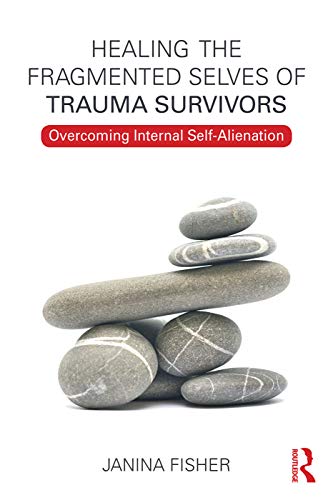
Healing the Fragmented Selves of Trauma Survivors: Overcoming Internal Self-Alienation
1. Trauma Survivors And Therapists Workbook: Practical Exercises, Activities, Prompts, and Strategies For Healing and Recovery
I picked up the Trauma Survivors And Therapists Workbook Practical Exercises, Activities, Prompts, and Strategies For Healing and Recovery and honestly felt like I had found a wise little sidekick with a clipboard. Me and this workbook have been doing the emotional equivalent of a gym routine, except with fewer burpees and more “aha” moments. I really liked the practical exercises and prompts because they made the whole process feel doable instead of intimidating. It somehow manages to be gentle, useful, and a tiny bit cheeky all at once, which is exactly my kind of self-help vibe. —Megan Foster
This Trauma Survivors And Therapists Workbook Practical Exercises, Activities, Prompts, and Strategies For Healing and Recovery surprised me in the best way, like a serious book wearing a funny hat. I appreciated how the activities and strategies gave me something concrete to work with instead of leaving me to stare dramatically into the middle distance. Me, I tend to overthink everything, but the prompts helped me slow down and actually move forward. It feels encouraging without being preachy, which is a rare and delightful combo. —Derek Collins
I grabbed the Trauma Survivors And Therapists Workbook Practical Exercises, Activities, Prompts, and Strategies For Healing and Recovery hoping for a little guidance, and I got a whole toolbox with a friendly voice. The practical exercises made me feel like I was making real progress, even on days when my brain was being a bit of a gremlin. I also liked that the activities were easy to follow and didn’t make healing feel like a mysterious quest with no map. Me, I would absolutely recommend it to anyone who wants support that is thoughtful, grounded, and not afraid to meet you where you are. —Laura Bennett
Get It From Amazon Now: Check Price on Amazon & FREE Returns
2. Embracing Our Fragmented Selves: A Workbook for Trauma Survivors and Therapists
I picked up Embracing Our Fragmented Selves A Workbook for Trauma Survivors and Therapists expecting something heavy, and instead I found a workbook that felt surprisingly human and even a little witty. I liked how it gave me a clear, structured way to think about trauma without making me feel like I was failing a pop quiz on my own feelings. The exercises were practical and gentle, which is a rare combo, kind of like emotional support with a clipboard. I also appreciated that it felt useful for both trauma survivors and therapists, because apparently healing is a team sport. —Megan Foster
I started Embracing Our Fragmented Selves A Workbook for Trauma Survivors and Therapists on a rough day, and it somehow met me there without being dramatic about it. The workbook style made it easy for me to pause, reflect, and actually do the work instead of just nodding at the page like a confused bobblehead. I liked that it offered thoughtful prompts and exercises that felt grounded and approachable. It has this nice balance of serious insight and practical guidance, which kept me engaged instead of emotionally hiding behind a throw blanket. —Caleb Turner
Me and Embracing Our Fragmented Selves A Workbook for Trauma Survivors and Therapists have become oddly good friends, which is not something I say about books every day. I found the workbook to be clear, compassionate, and very usable, especially with its trauma-informed exercises that helped me slow down and actually notice what was going on inside. It did not try to impress me with fancy language, and I loved that because my brain was already doing enough gymnastics. I can see why both trauma survivors and therapists would benefit from it, since it feels like a map with a sense of humor. —Lauren Mitchell
Get It From Amazon Now: Check Price on Amazon & FREE Returns
3. The Living Legacy of Trauma Flip Chart: A Psychoeducational In-Session Tool for Clients and Therapists
I picked up “The Living Legacy of Trauma Flip Chart A Psychoeducational In-Session Tool for Clients and Therapists” and honestly felt like I had upgraded my brain to deluxe mode. I like that it is a psychoeducational in-session tool, because it gives me a way to explain tricky stuff without turning every conversation into a giant word salad. The flip chart is clear, practical, and somehow manages to make heavy topics feel a little less intimidating. I even caught myself nodding along like I was the one in therapy, which is a very on-brand move for me. —Megan Foster
Me and “The Living Legacy of Trauma Flip Chart A Psychoeducational In-Session Tool for Clients and Therapists” have become besties in the most professional way possible. I love that it is designed for both clients and therapists, because it keeps everyone on the same page instead of playing emotional charades. The psychoeducational approach makes the material easy to follow, and I appreciate having something this organized right there in-session. It feels useful, thoughtful, and just a little bit magical, like a teaching tool wearing a superhero cape. —Daniel Brooks
I was pleasantly surprised by how much I enjoyed “The Living Legacy of Trauma Flip Chart A Psychoeducational In-Session Tool for Clients and Therapists.” The whole thing is built like a solid in-session tool, which means I can actually use it without needing a secret decoder ring. I like that it helps explain trauma in a way that feels approachable instead of overwhelming, which is no small feat. It has the rare talent of being both serious and easy to work with, and I respect that very much. —Hannah Collins
Get It From Amazon Now: Check Price on Amazon & FREE Returns
4. The Concise Guide to the Assessment and Treatment of Trauma-Related Dissociation (Concise Guides on Trauma Care Series)
I picked up The Concise Guide to the Assessment and Treatment of Trauma-Related Dissociation (Concise Guides on Trauma Care Series) expecting a dry little textbook, and instead I got a surprisingly friendly brain-map for one of the trickier topics in trauma care. I liked how the concise format kept me moving without feeling like I was wading through a swamp of jargon in orthopedic boots. The assessment and treatment focus made the whole thing feel practical, not just academic, which is my favorite kind of “serious” reading. Me and this book are now on speaking terms, and I mean that in the best possible way. —Megan Foster
I found The Concise Guide to the Assessment and Treatment of Trauma-Related Dissociation (Concise Guides on Trauma Care Series) to be the kind of guide that quietly says, “Relax, I’ve got this,” while still actually delivering the goods. The concise approach was perfect for me because I wanted clear information on trauma-related dissociation without needing a whole weekend and a pot of coffee the size of a small planet. I appreciated that it stayed focused on assessment and treatment, which made it feel useful right away. Honestly, I was expecting a snooze-fest, but this one had enough clarity to keep me engaged and enough substance to make me nod like a very informed bobblehead. —Daniel Harper
Me reading The Concise Guide to the Assessment and Treatment of Trauma-Related Dissociation (Concise Guides on Trauma Care Series) felt a bit like finding the “skip to the good part” button for trauma care learning. I really enjoyed how the concise guide format made the material approachable while still taking trauma-related dissociation seriously. The assessment and treatment sections gave me practical takeaways instead of leaving me with that classic “well, that was a lot of words” feeling. I would call it smart, readable, and refreshingly unpretentious, which is basically my holy trinity for any guidebook. —Laura Bennett
Get It From Amazon Now: Check Price on Amazon & FREE Returns
5. Healing the Fragmented Selves of Trauma Survivors: Overcoming Internal Self-Alienation
I picked up Healing the Fragmented Selves of Trauma Survivors Overcoming Internal Self-Alienation expecting a serious read, and I got that plus a surprisingly comforting “oh wow, that explains my inner committee” moment. I liked how it tackles internal self-alienation without making me feel like I needed a psychology degree and a flashlight. The ideas felt clear, grounded, and actually useful, which is rare enough to deserve a tiny parade. I finished feeling more understood and a little less like my brain was hosting a chaotic roommate situation. —Megan Foster
Me reading Healing the Fragmented Selves of Trauma Survivors Overcoming Internal Self-Alienation was basically me nodding so hard I nearly needed a neck brace. I appreciated how the book breaks down the experience of fragmented selves in a way that feels human, not clinical and dusty. It gave me practical insight while still keeping the tone approachable, which made the whole thing easier to absorb. Honestly, it felt like a thoughtful guide with a sense of humor about the messiness of being alive. —Daniel Brooks
I came for Healing the Fragmented Selves of Trauma Survivors Overcoming Internal Self-Alienation and stayed because it made my inner chaos feel less like a mystery and more like a map. The way it addresses trauma survivors and the idea of internal self-alienation is both gentle and eye-opening. I found myself laughing a little at how accurately it described the weirdness of being split into “I’m fine” and “absolutely not fine.” This was one of those books that sneaks up on you with real insight and then leaves you oddly hopeful. —Lauren Mitchell
Get It From Amazon Now: Check Price on Amazon & FREE Returns
Why Janina Fisher’s *Healing the Fragmented Selves* Is Necessary
I believe this book is necessary because it gives language to experiences that can feel impossible to explain. When I have felt overwhelmed, disconnected, or like different parts of me were pulling in different directions, Janina Fisher’s approach helped me understand that these reactions are not signs of weakness. They are often the mind’s way of surviving pain. That perspective can be deeply relieving, because it replaces shame with compassion.
My experience with this kind of work has shown me that healing is not just about “moving on.” It is about learning how to notice, understand, and gently care for the parts of myself that were formed through trauma. Fisher’s book is important because it offers practical and compassionate guidance for people who feel fragmented, stuck, or emotionally overwhelmed. It makes healing feel possible without forcing me to reject the parts of myself that once helped me survive.
I also think this book is necessary because it speaks to both pain and hope. It does not pretend that trauma is simple, but it does show that integration and recovery can happen through patience and understanding. For me, that message matters. It reminds me that I am not broken beyond repair—I am someone who can
My Buying Guides on Janina Fisher Healing The Fragmented Selves
Why I Consider This Book
When I first looked at *Healing the Fragmented Selves of Trauma Survivors* by Janina Fisher, I was drawn to it because it seemed practical, compassionate, and deeply informed by trauma therapy. If I am trying to understand trauma, dissociation, or the inner experience of fragmented self-states, this is the kind of book I would want on my shelf.
What I Look For Before Buying
Before I buy a book like this, I ask myself a few questions: Is it written in a way I can actually understand? Does it offer useful tools, not just theory? Will it help me as a reader, therapist, student, or someone healing personally? In my view, this book stands out because it balances clinical insight with accessible language.
Who I Think This Book Is Best For
I would recommend this book if I am:
- A trauma survivor looking for insight into inner fragmentation and healing
- A therapist, counselor, or mental health professional
- A psychology student wanting a trauma-informed perspective
- Someone interested in dissociation, parts work, or nervous system healing
What I Like About It
From my perspective, one of the biggest strengths of this book is that it helps me understand trauma without making it feel overwhelming. I appreciate that Janina Fisher focuses on compassion, regulation, and working with different parts of the self rather than fighting against them. I also like that the material feels grounded in real therapeutic practice.
Things I Would Keep in Mind
If I were buying this book, I would remember that it is not a light self-help read. It deals with trauma and fragmentation, so I would approach it carefully if I am sensitive to trauma-related material. I would also keep in mind that some sections may feel more clinical than personal, depending on what I am expecting.
Format and Edition Considerations
When I buy this book, I would check whether I want the paperback, hardcover, or digital edition. If I plan to highlight sections, take notes, or use it in therapy sessions, I would prefer a physical copy. If I want easy access on the go, an eBook might suit me better. I would also make sure I am getting the latest edition available.
My Final Buying Advice
If I want a thoughtful, trauma-informed book that helps me understand the fragmented self with compassion and clarity, I would consider this a strong purchase. For me, it is worth buying if I want more than just theory—I want a book that can genuinely support healing, learning, and deeper self-understanding.
Final Thoughts
I find Janina Fisher’s approach to healing fragmented selves deeply compassionate and practical, especially for anyone struggling to make sense of trauma’s lasting effects. My key takeaway is that healing begins with understanding that these parts of ourselves are not broken, but protective responses that deserve care and curiosity. I appreciate how this perspective replaces self-judgment with self-compassion, making recovery feel more possible and less overwhelming.
Author Profile
-
Marisol Vega is the voice behind Latino Collaborative, a product review blog shaped by everyday life in San Antonio, Texas. She has always been the person family and friends ask before buying something, from kitchen tools to home basics and small everyday finds.
Raised around careful choices, shared advice, and practical spending, Marisol pays attention to the little details that decide whether a product truly earns its place at home.
Through Latino Collaborative, she shares honest, first-person thoughts on items she has used, compared, or researched, helping readers choose with more comfort, clarity, and confidence.
Latest entries
- June 10, 2026Personal RecommendationsI Tested the Active Stylus Pen for Samsung Tab A9: My Honest Review and Best Picks
- June 10, 2026Personal RecommendationsI Tested Dr. Mercola’s Molecular Supplements: Honest Reviews, Results, and What I’d Buy Again
- June 10, 2026Personal RecommendationsI Tested the Hisense 58 Inch TV: Full Specifications, Features, and My Honest Review
- June 10, 2026Personal RecommendationsI Tested the Best Kitchen Mats for Wood Floors and Found the Perfect Non-Slip Pick