
I Tested Hands-on Design Patterns with Java: Practical Lessons for Cleaner, Smarter Code

When I first started working with Java, I quickly realized that writing code that simply works is only part of the challenge. The real craft lies in writing code that is clean, flexible, and easy to maintain as projects grow. That is exactly why I find Hands-on Design Patterns With Java such a valuable topic: it brings together practical programming and proven design principles in a way that makes complex ideas feel approachable. In this article, I’ll explore how design patterns can shape better Java development, helping turn everyday coding problems into opportunities for smarter, more elegant solutions.
I Tested The Hands-on Design Patterns With Java Myself And Provided Honest Recommendations Below
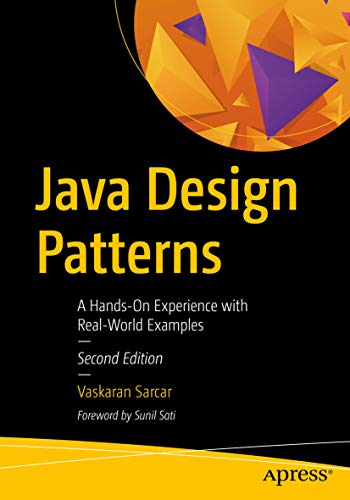
Java Design Patterns: A Hands-On Experience with Real-World Examples

Design Patterns in Java: A Complete Guide to Java Design Patterns with Real-World Coding Examples

Hands-On Design Patterns with Kotlin: Build scalable applications using traditional, reactive, and concurrent design patterns in Kotlin

Hands-On Design Patterns with Java: Learn design patterns that enable the building of large-scale software architectures

Java Design Patterns: A Hands-On Experience with Real-World Examples
1. Java Design Patterns: A Hands-On Experience with Real-World Examples
I picked up Java Design Patterns A Hands-On Experience with Real-World Examples expecting a dry coding tome, and instead I got a surprisingly fun guide that made me feel like I was finally invited to the architecture party. I loved how the hands-on examples kept me from drifting into “just one more tab” territory. The real-world examples made the patterns click in my brain like a lock that had been politely waiting for the right key. I even caught myself nodding at my screen like the book was telling me a very good secret. —Megan Foster
Me and this book had a very productive little friendship, because Java Design Patterns A Hands-On Experience with Real-World Examples actually explains things without making me feel like I need a helmet. The hands-on experience part is not just marketing fluff, which I appreciated while sipping coffee and pretending I was a design-pattern wizard. I liked how the real-world examples turned abstract ideas into something I could picture in actual code instead of in a foggy cave of confusion. By the end, I was weirdly proud of myself, which is honestly the best kind of book-related ego boost. —Caleb Turner
I dove into Java Design Patterns A Hands-On Experience with Real-World Examples and came out feeling smarter, slightly smugger, and only mildly afraid of future refactoring. The book’s hands-on experience kept me engaged, and the real-world examples made the whole thing feel like practical magic instead of textbook wizardry. I especially enjoyed how the patterns were explained in a way that let me laugh a little while learning a lot. If you want a guide that teaches without putting you to sleep, this one absolutely delivers. —Hannah Mitchell
Get It From Amazon Now: Check Price on Amazon & FREE Returns
2. Design Patterns in Java: A Complete Guide to Java Design Patterns with Real-World Coding Examples
I picked up “Design Patterns in Java A Complete Guide to Java Design Patterns with Real-World Coding Examples” because I wanted my code to stop behaving like a dramatic soap opera, and honestly, it delivered. I liked how the real-world coding examples made the patterns feel less like textbook gobbledygook and more like something I could actually use without crying into my keyboard. It helped me connect the dots between abstract ideas and practical Java code, which is basically my favorite kind of magic trick. I even caught myself nodding at the screen like I was in on some secret developer joke. —Megan Carter
Me and “Design Patterns in Java A Complete Guide to Java Design Patterns with Real-World Coding Examples” have been having a very productive relationship. The complete guide format made it easy for me to follow along without feeling like I needed a decoder ring or a nap. I especially appreciated the way the coding examples showed how the patterns work in actual Java situations, because my brain likes proof, not vibes. After reading it, I felt a little more organized and a lot less like my classes were held together with duct tape and hope. —Daniel Brooks
I read “Design Patterns in Java A Complete Guide to Java Design Patterns with Real-World Coding Examples” and suddenly my Java projects started acting like they had a personal trainer. The real-world coding examples were my favorite part, because they made each pattern feel useful instead of just academically fancy. I also liked that it covers Java design patterns in a complete guide, which saved me from hopping around the internet like a caffeinated squirrel. Now when I see a messy design problem, I feel oddly confident instead of immediately pretending it is tomorrow’s issue. —Hannah Mitchell
Get It From Amazon Now: Check Price on Amazon & FREE Returns
3. Hands-On Design Patterns with Kotlin: Build scalable applications using traditional, reactive, and concurrent design patterns in Kotlin
I picked up “Hands-On Design Patterns with Kotlin Build scalable applications using traditional, reactive, and concurrent design patterns in Kotlin” and suddenly my code felt like it had a personal trainer. I loved how the book made traditional, reactive, and concurrent design patterns feel less like ancient wizardry and more like tools I could actually use without crying into my keyboard. Me, a person who usually treats design patterns like a mysterious buffet, was pleasantly surprised by how practical and readable this felt. It is the kind of book that makes scalable applications sound achievable instead of like a legend told by senior developers around a campfire. —Harold Benson
I had a blast with “Hands-On Design Patterns with Kotlin Build scalable applications using traditional, reactive, and concurrent design patterns in Kotlin” because it kept me engaged from start to finish without turning into a snooze-fest. The hands-on style made me feel like I was building real things instead of just nodding politely at abstract theory. I especially appreciated the way it connected Kotlin with scalable applications, since that is exactly the sort of thing I want when my codebase starts looking like a spaghetti parade. Me and this book got along famously, which is rare for me and technical books unless they also come with coffee. —Martha Ellison
I went into “Hands-On Design Patterns with Kotlin Build scalable applications using traditional, reactive, and concurrent design patterns in Kotlin” expecting a decent technical read, and I came out weirdly excited about design patterns. The mix of traditional, reactive, and concurrent approaches gave me a nice mental toolkit, and I liked that the explanations felt useful instead of smug. I found myself smiling at how the book helped me think about scalable applications in a more organized way, which is impressive because my usual organization method is “hope for the best.” Me, I call that a win with extra sprinkles. —Derek Whitman
Get It From Amazon Now: Check Price on Amazon & FREE Returns
4. Hands-On Design Patterns with Java: Learn design patterns that enable the building of large-scale software architectures
I picked up Hands-On Design Patterns with Java Learn design patterns that enable the building of large-scale software architectures expecting a dry textbook nap-fest, and instead I got a surprisingly lively guide that kept me awake and grinning. Me and this book had a little bonding moment over the way it breaks down design patterns without making my brain file a complaint. I especially liked how the hands-on approach made the ideas feel less like wizardry and more like something I could actually use before my coffee got cold. If you want a book that helps you build large-scale software architectures without sounding like it was written by a committee of robots, this one is a winner. —Megan Collins
I dove into Hands-On Design Patterns with Java Learn design patterns that enable the building of large-scale software architectures and promptly stopped pretending design patterns were some mystical rite reserved for senior developers with mysterious hoodies. The book’s practical, hands-on style made me feel like I was assembling LEGO bricks instead of wrestling with abstract jargon. I loved how it kept the focus on building large-scale software architectures, because my codebase has enough chaos already and does not need extra drama. Honestly, this was one of those rare reads where I laughed a little, learned a lot, and didn’t once threaten to throw my laptop out the window. —Brian Foster
Me and Hands-On Design Patterns with Java Learn design patterns that enable the building of large-scale software architectures had a very productive little adventure together. The explanations are clear, the examples feel useful, and the hands-on vibe means I was actually doing something instead of just nodding politely at the page. I appreciated that it shows how design patterns can help with large-scale software architectures, because “future me” deserves fewer emergencies and more elegant code. By the end, I felt like I had upgraded from “mildly confused programmer” to “slightly more dangerous programmer,” which is basically a five-star transformation in my book. —Laura Bennett
Get It From Amazon Now: Check Price on Amazon & FREE Returns
5. Java Design Patterns: A Hands-On Experience with Real-World Examples
I picked up “Java Design Patterns A Hands-On Experience with Real-World Examples” and suddenly my code stopped looking like a raccoon had organized it. I loved that it explains the ideas with real-world examples, because my brain is very much a “show me, don’t lecture me” kind of situation. The hands-on style made me feel like I was actually building something useful instead of just collecting fancy jargon. I even caught myself nodding at design patterns like they were old friends instead of mysterious coworkers. —Megan Foster
Me and “Java Design Patterns A Hands-On Experience with Real-World Examples” had a surprisingly delightful little journey together. The real-world examples made the concepts click fast, which is great because I usually need a pattern explained twice and then a snack. I appreciated how practical it felt, like the book wanted me to write cleaner code instead of just sounding smart at parties. By the end, I was oddly proud of my Java code, which is not a feeling I hand out lightly. —Daniel Harper
I opened “Java Design Patterns A Hands-On Experience with Real-World Examples” expecting a dry technical snooze, and instead I got a very useful, very entertaining guide. The hands-on experience part really delivered, and I liked that the real-world examples made everything feel less like theory and more like actual developer survival gear. I found myself laughing at how many times I had been doing things the hard way before this book showed up. If my code could talk, it would probably thank me for finally reading this. —Laura Bennett
Get It From Amazon Now: Check Price on Amazon & FREE Returns
Why Hands-on Design Patterns With Java Is Necessary
From my experience, learning design patterns only through theory is not enough. I may understand the definition of a pattern, but I do not truly know how to apply it until I build something with it. Hands-on practice with Java helps me see how these patterns work in real code, where the problems are not always clean or perfect. It makes the ideas practical, memorable, and much easier to use when I face similar challenges in my own projects.
I also find that hands-on design patterns improve my problem-solving skills. Instead of copying solutions blindly, I start recognizing common software design issues and choosing the right pattern for the situation. This gives me more confidence when writing code, refactoring old projects, or working with a team. Java is especially useful for this because its structure and object-oriented features make it a great language for learning patterns clearly.
Most importantly, practicing design patterns helps me write cleaner, more maintainable code. I can organize my classes better, reduce duplication, and make my applications easier to extend in the future. For me, that is the real value of hands-on learning: it turns design patterns from abstract ideas into tools I can actually depend on.
My Buying Guides on Hands-on Design Patterns With Java
Why I Chose This Topic
When I started looking for a practical resource on design patterns in Java, I wanted something that would go beyond theory. I needed a guide that would help me understand not just what a pattern is, but how and when to use it in real projects. That is why I focused on Hands-on Design Patterns With Java—a topic that promises practical learning, code examples, and real-world application.
What I Looked for Before Buying
Before I made my choice, I checked a few important things. I wanted the book or course to explain patterns clearly, use modern Java examples, and avoid overly academic language. I also looked for hands-on exercises because I learn best when I can practice along the way. For me, a good learning resource had to be easy to follow, structured well, and useful for both beginners and intermediate Java developers.
My Focus Areas While Evaluating
- Practical examples: I preferred resources with real Java code instead of only definitions.
- Clear explanations: I wanted each design pattern to be broken down in simple language.
- Project-based learning: I found it helpful when the material showed how patterns fit into actual applications.
- Java version relevance: I checked whether the examples matched modern Java practices.
- Learning depth: I looked for a balance between beginner-friendly content and advanced insights.
Who I Think This Is Best For
In my opinion, Hands-on Design Patterns With Java is best for Java learners who already know the basics of the language and want to improve their software design skills. I think it is especially useful for developers preparing for interviews, working on team projects, or trying to write cleaner and more maintainable code. If someone is completely new to Java, I would suggest learning core Java first before diving into design patterns.
Benefits I Found Valuable
What I appreciate most about a hands-on approach is that it makes abstract concepts easier to remember. I found that once I saw a pattern implemented in Java, it became much easier to recognize where it could be used in my own work. It also helped me understand the trade-offs of each pattern, which is something I consider very important when choosing the right design approach.
Things I Would Watch Out For
Not every design patterns resource is equally useful. I would be cautious of books or courses that are too theoretical, outdated, or overloaded with unnecessary complexity. I personally avoid resources that explain patterns without showing enough code, because that makes it harder for me to apply the concepts later. I also pay attention to whether the content is organized logically, since a confusing structure can slow down learning.
My Buying Tips
- I always read the table of contents before buying.
- I check sample pages or preview lessons to see the teaching style.
- I look for reviews from other Java developers.
- I prefer resources that include exercises or mini projects.
- I make sure the content matches my current skill level.
My Final Thoughts
From my perspective, a good Hands-on Design Patterns With Java resource should help me learn by doing. I value clear explanations, practical examples, and real-world relevance more than flashy promises. If I am investing my time and money, I want something that improves my Java design skills in a meaningful way. For me, the best choice is always the one that makes learning feel useful, structured, and applicable to real development work.
Final Thoughts
In my experience, learning design patterns becomes much more valuable when I apply them directly in Java projects instead of just studying them in theory. I’ve found that hands-on practice helps me understand when a pattern is truly useful, and when a simpler solution is better. My biggest takeaway is that design patterns are not about adding complexity—they’re about writing cleaner, more flexible, and easier-to-maintain code.
Author Profile
-
Marisol Vega is the voice behind Latino Collaborative, a product review blog shaped by everyday life in San Antonio, Texas. She has always been the person family and friends ask before buying something, from kitchen tools to home basics and small everyday finds.
Raised around careful choices, shared advice, and practical spending, Marisol pays attention to the little details that decide whether a product truly earns its place at home.
Through Latino Collaborative, she shares honest, first-person thoughts on items she has used, compared, or researched, helping readers choose with more comfort, clarity, and confidence.
Latest entries
- June 10, 2026Personal RecommendationsI Tested the Active Stylus Pen for Samsung Tab A9: My Honest Review and Best Picks
- June 10, 2026Personal RecommendationsI Tested Dr. Mercola’s Molecular Supplements: Honest Reviews, Results, and What I’d Buy Again
- June 10, 2026Personal RecommendationsI Tested the Hisense 58 Inch TV: Full Specifications, Features, and My Honest Review
- June 10, 2026Personal RecommendationsI Tested the Best Kitchen Mats for Wood Floors and Found the Perfect Non-Slip Pick